A cleaner mouth, naturally
Elevate your daily oral ritual with a premium stainless steel tongue scraper.
Shop now- 316L surgical-grade steel
- Lasts for years
- 30-day money-back guarantee
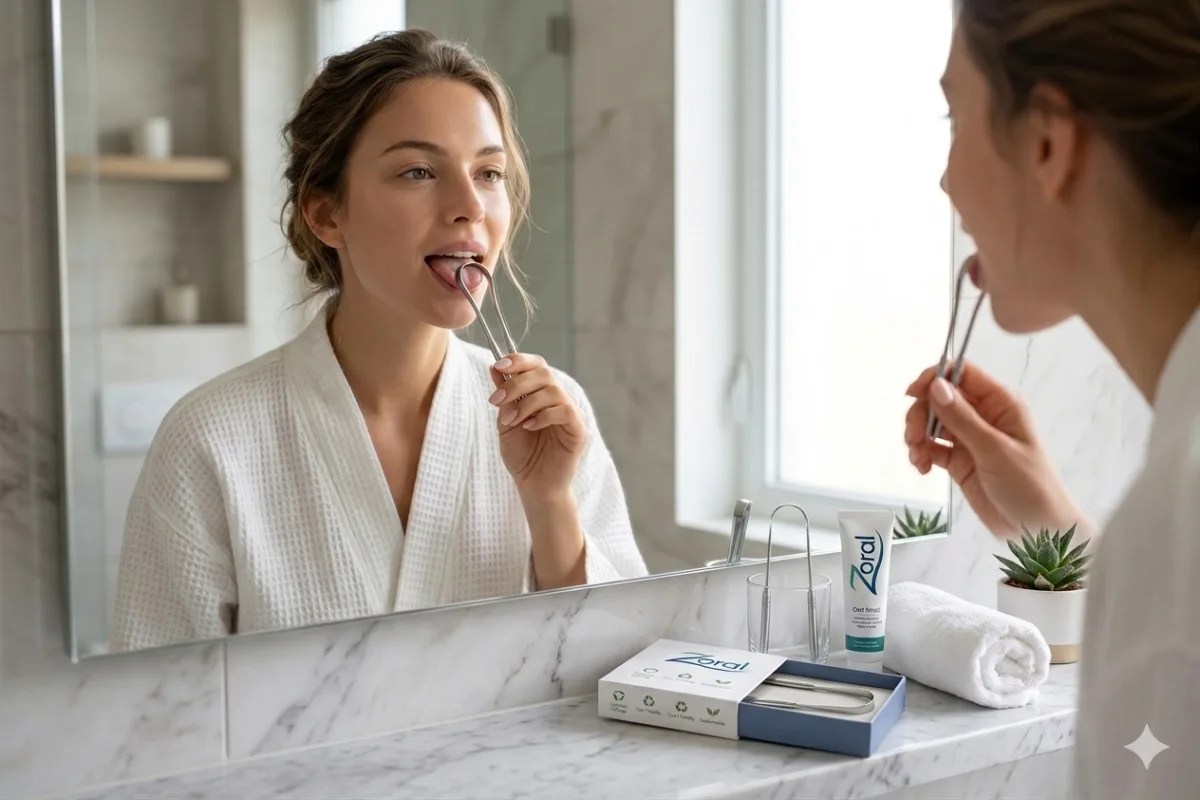
"Our mission is to create designed oral care essentials that make everyday wellness feel simple, effective, and healthy."
Adèle & Dvir, Founders
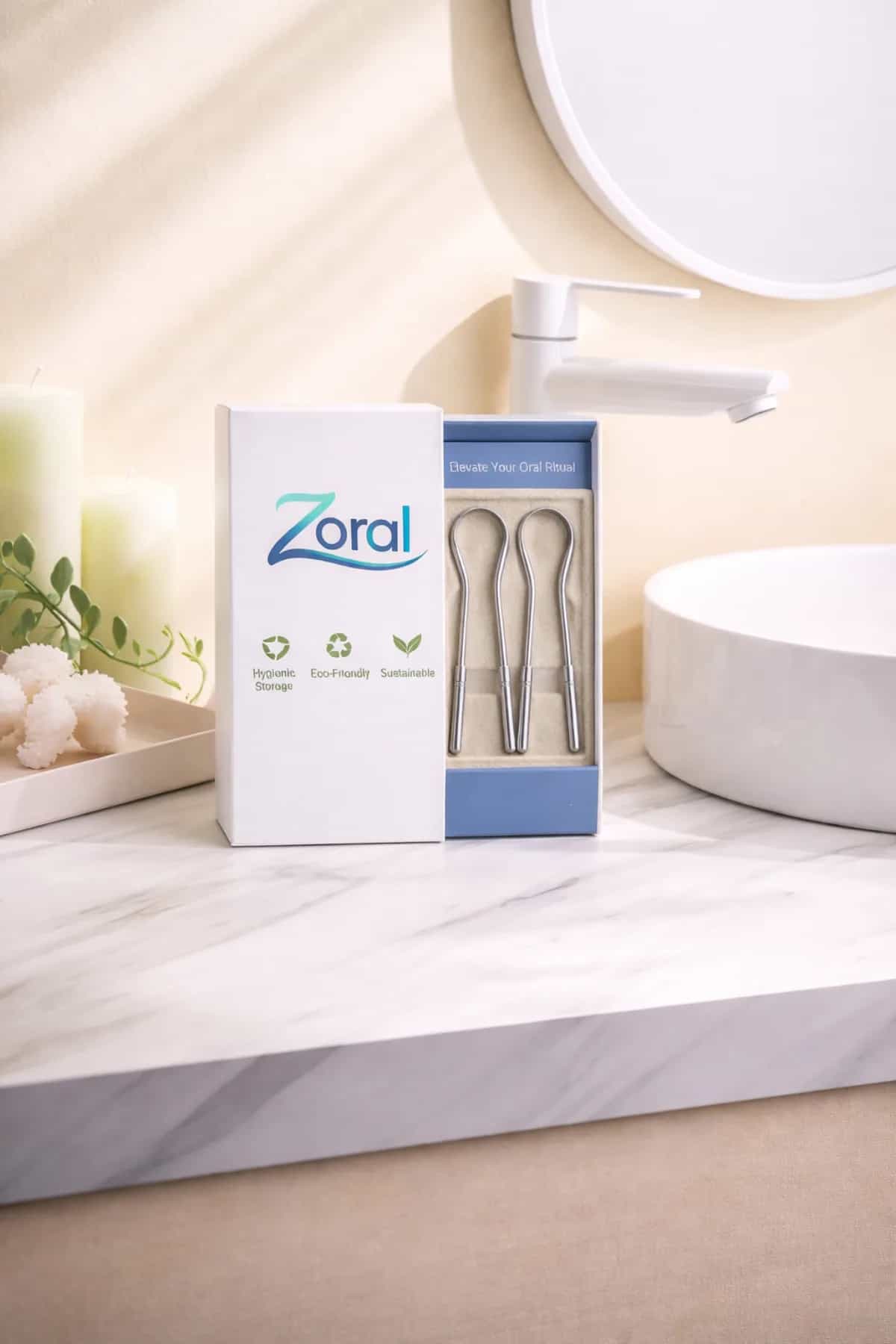
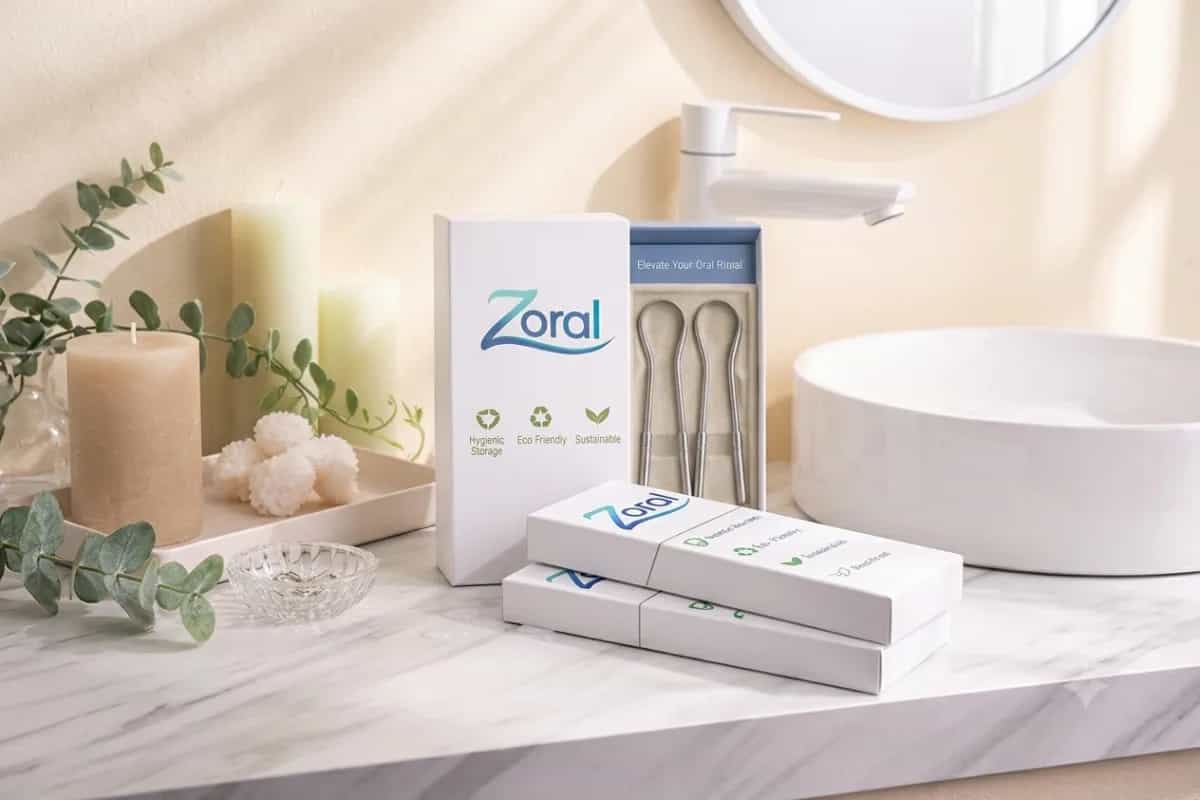
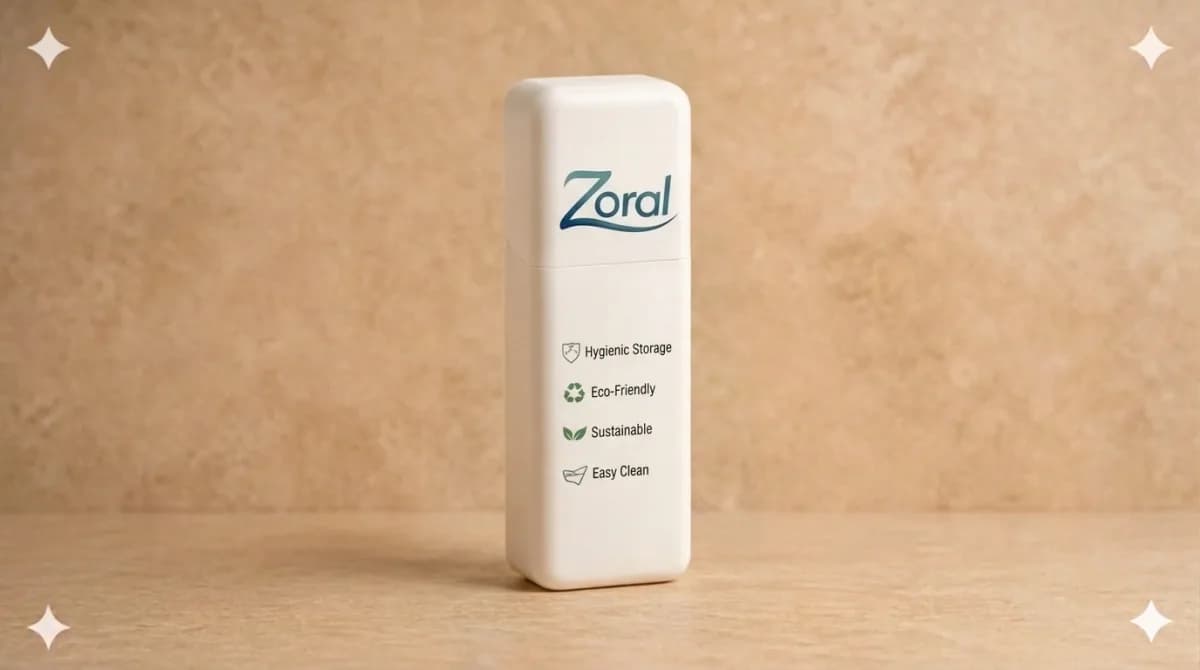
Zoral Travel Case
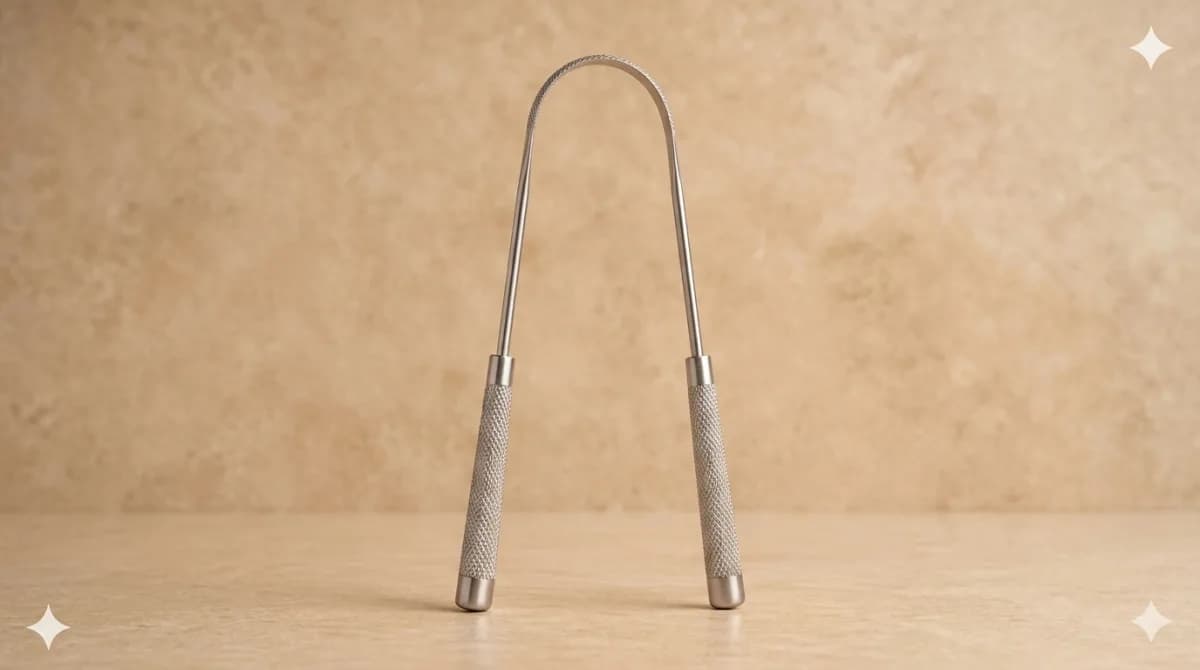
Zoral Tongue Scraper
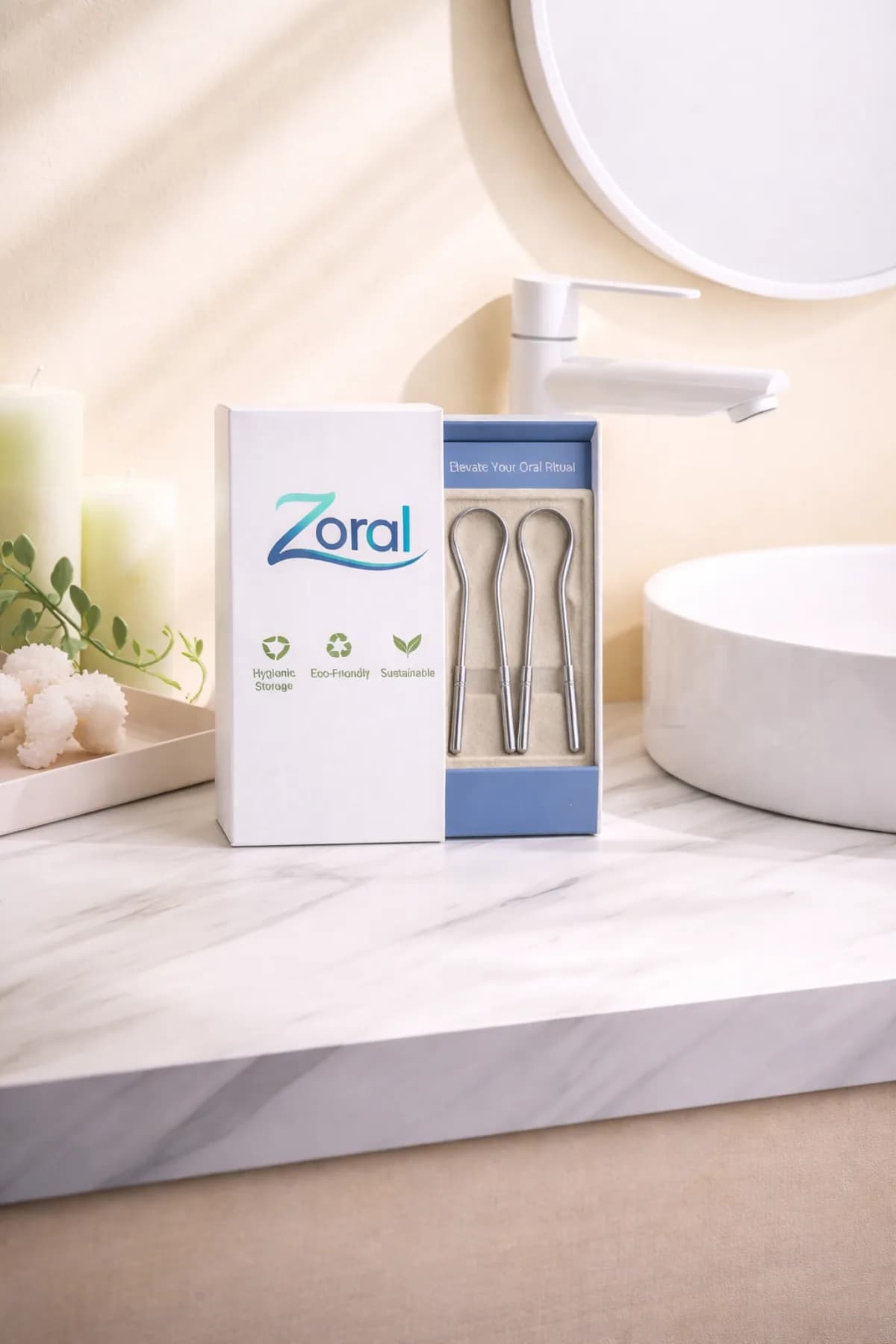
Zoral Case
Why choose Zoral
Medical-Grade Quality
Resistance to rust & corrosion with smooth, safe edges.
Ergonomic Design
Flexible U-shape + anti-slip grip for full control.
Sustainable
Durable, reusable, built for daily use.
Travel Ready
Comes with a ventilated hygienic travel case.
The Zoral stainless steel tongue scraper
A tongue scraper removes the soft coating that builds up on the back of the tongue: dead cells, food residue and the anaerobic bacteria that turn protein into the volatile sulfur compounds behind most bad breath. A toothbrush pushes that layer around; a flat edge lifts it off. That single mechanical difference is the whole argument for owning one, and it is why scraping takes about ten seconds rather than a minute.
Why 316L steel, and where it stops mattering
Most scrapers sold as "stainless" are AISI 304. Ours is 316L, which differs by composition rather than marketing: it adds two to three percent molybdenum and caps carbon at 0.03 percent (ASTM A240). Molybdenum is what resists chloride-driven pitting, and saliva contains chloride, which is the same reason 316L is used for surgical instruments and body piercings. Being honest about the limit: for a scraper that gets rinsed and dried after every use, the practical gap between 304 and 316L over a normal lifetime is small. We use the better alloy because it costs us little and lasts, not because it unlocks a hygiene outcome that 304 could not deliver.
What matters more day to day is that each scraper is a single piece of steel. There is no wrapped handle, no glued grip and no coating, so there is no seam for residue to hide in and nothing to peel. You can boil it or put it in the dishwasher. Plastic scrapers need replacing every few months as the edge dulls and the surface scratches; copper works but tarnishes against saliva and wants periodic polishing, and its antimicrobial reputation rests on contact times measured in hours, not the seconds a scrape actually takes.
How to use it
Do it after brushing and flossing, not before. Reach as far back as is comfortable, pull forward in one light pass, rinse the scraper, and repeat four to six times until it comes back clean. It should never hurt. If your tongue feels sore afterwards you pressed too hard, and more passes at lower pressure will clean better than fewer hard ones. If you gag, start further forward than feels useful and move back a few millimetres every few days; the reflex genuinely desensitises with repetition, and a flat scraper triggers it far less than a bulky brush head does.
Who this helps, and who it will not
Most bad breath starts in the mouth, and tongue coating is the single largest contributor, so scraping is the highest-yield cheap thing to try. It is not a cure-all. The American Dental Association does not list tongue cleaning as a required step, evidence reviews rate the certainty of the research as low, and the people who benefit most are those with a visible film toward the back of the tongue. Look in a mirror: if you can see a white or yellow coat, you are in the group the evidence supports. If your breath stays bad after a few weeks of consistent cleaning, the cause is likely gum disease, dry mouth, tonsil stones or reflux, and the right next step is a dentist rather than a better scraper.
What comes in the box
Two scrapers, and in the bundle two ventilated travel cases. Two because a spare in a wash bag is the difference between a habit and a good intention, and ventilated because a case that seals traps moisture against the steel. Shipping is a flat ten dollars worldwide and free on orders over twenty-five dollars, and every order is covered by a thirty day money back guarantee. If it does not suit you, reply to the order email and we will refund it.
Looking after it
Rinse under hot water after each use and let it dry rather than returning it damp to a case. Once a week, or any time it has been somewhere questionable, run it through the dishwasher or drop it in boiling water for a minute. Steel does not need the lemon-and-salt polishing routine copper asks for. Inspect the edge occasionally: it should feel smooth and rounded, never sharp. Cared for this way a 316L scraper lasts years rather than months, which is the practical case for buying metal once instead of plastic repeatedly.
Get 10% off your first order
Join our email list for exclusive offers and the latest news.